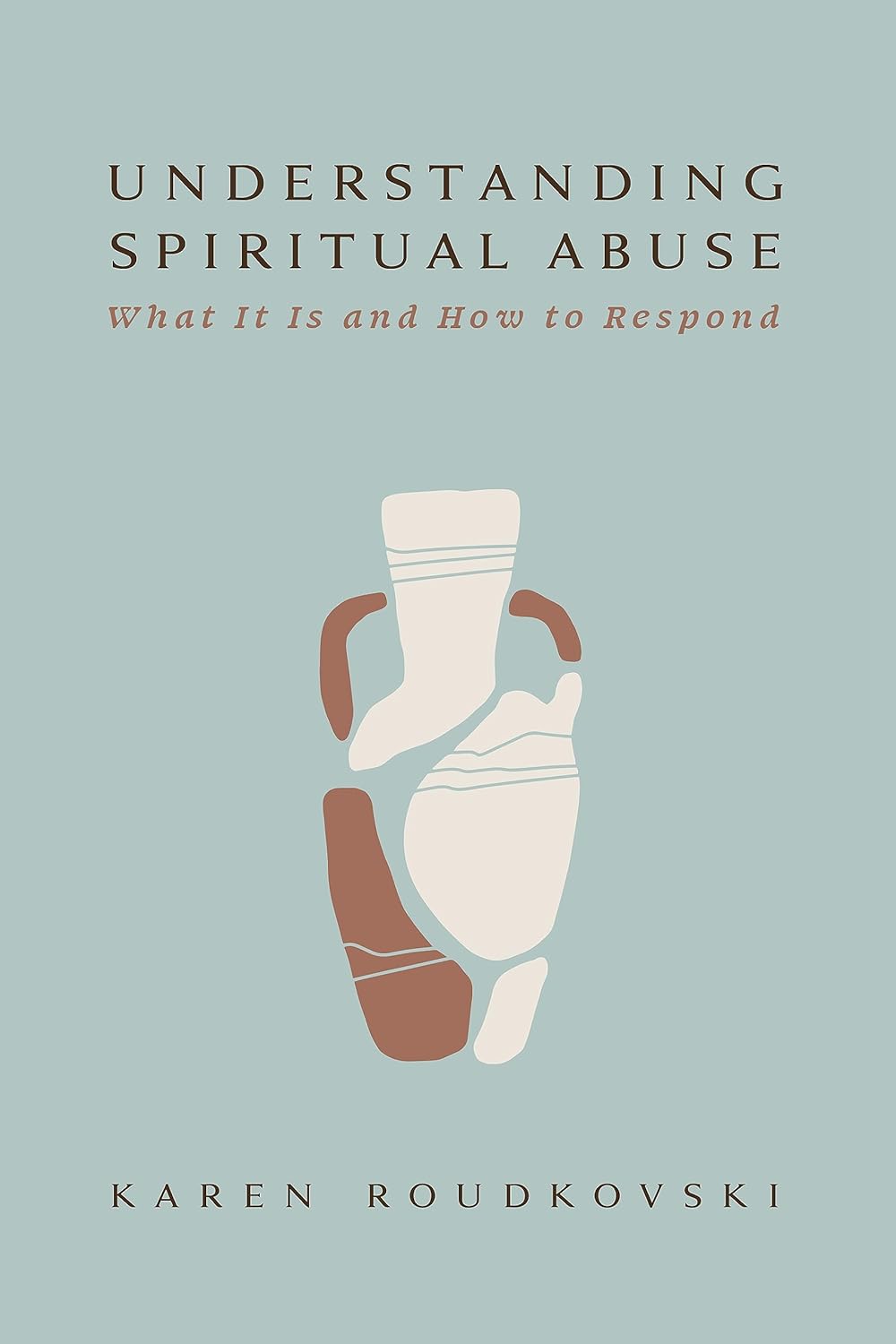
Understanding Spiritual Abuse
by Karen Roudkovski, Ph.D.
About the Author
Karen Roudkovski, Ph.D., is a counselor, researcher, educator, and survivor of spiritual abuse. She earned her Ph.D. in Counselor Education and Supervision from New Orleans Baptist Theological Seminary, where she also completed advanced theological training. Her clinical work focuses on helping people recover from deep emotional trauma and harmful church environments. Because she combines professional counseling skills, biblical training, and personal experience, she understands both the emotional and spiritual pain caused by unhealthy religious systems.
What Is This Book About?
Understanding Spiritual Abuse provides a comprehensive overview of how spiritual abuse develops, how to recognize it, and how to respond effectively. Roudkovski describes the history of spiritual abuse, defines what it looks like, and covers its major patterns. She also offers an assessment tool and practical steps for helping victims, counseling survivors, and stopping abuse before it starts. The book was written to help counselors, pastors, survivors, and supporters recognize harm, listen well to victims, and build safe church communities.
The book shows that spiritual abuse is not just a simple disagreement between people. Instead, Roudkovski defines it as leaders using their spiritual power to control, manipulate, or hurt others while claiming to care for their souls. By combining counseling research with biblical teaching, the author shows how unhealthy religious systems hurt a person’s emotions, body, relationships, and faith. Roudkovski walks readers through how these harmful environments develop, looks at groups where approval depends on hard work, and outlines a steady path toward recovery and safety.
Who Might Benefit from This Book?
This book may be helpful if you:
- Are a counselor, psychologist, pastor, or ministry leader seeking to understand and address spiritual abuse.
- Have experienced manipulation, shame, or control from a pastor, church leader, or religious group.
- Wonder whether past church experiences were simply unhealthy or actually abusive.
- Notice lingering anxiety, trust issues, or trauma symptoms after leaving a faith community.
- Felt pressured to stay silent about mistreatment to protect the reputation of a leader or church.
- Have been taught that being accepted by God or your church depends entirely on outward performance and compliance.
- Want practical tools to help evaluate healthy versus harmful spiritual leadership.
- Need guidance on setting healthy boundaries while rebuilding your faith at a safe, sustainable pace.
The book serves as a helpful guide for survivors seeking to name their experiences, as well as for leaders and clinicians committed to building safe communities.
Key Ideas to Explore
Defining Spiritual Abuse
Roudkovski reviews the history of the term and explains that doctors and churches still do not share one single definition. To solve this problem, she offers a clear definition: spiritual abuse happens when a leader uses spiritual authority, Scripture, or their position to dominate, manipulate, or harm other people. She explains that having clear words is necessary to spot abuse and hold leaders accountable.
The Spiritual Abuse Assessment Tool
The book includes an eleven-question survey to help individuals and counselors spot signs of spiritual abuse in their own lives. People rate each question on a simple scale to see where problems might exist. The author makes clear that this survey is not a formal medical test. Instead, it is a tool meant to start honest conversations and bring hidden problems into the open.
Dynamics of Power and Control
The author explores how leaders use unequal power to cause emotional pain, replacing healthy spiritual growth with fear, confusion, and shame. Roudkovski compares this process to a spider web. The abuse often starts quietly with grooming, where the leader acts warm, charming, and deeply spiritual to win trust. When someone finally looks behind the curtain and questions the leader’s behavior, the group often reacts by shaming, mocking, or kicking that person out.
Performance-Based Acceptance
The book examines church cultures where a person’s value depends on how much they do for the group. In these places, people who do not follow every rule or serve constantly are made to feel guilty. Roudkovski explains that this conditional approval causes members to doubt their God-given worth and makes it hard to believe in real grace.
Harm Across Multiple Domains
Roudkovski uses trauma research to show that spiritual abuse harms every part of life. Victims deal with physical stress, anxiety, trouble managing intense feelings, and difficulty trusting others. When survivors are cut off from their church friends, they face painful loneliness and often feel abandoned by God.
The Road to Healing
The author explains that healing from spiritual abuse takes time and does not happen in a straight line. Survivors need patient support, honesty, and care. Roudkovski lays out practical steps for recovery, including working with a professional counselor, setting firm personal boundaries, and finding safe friendships. She points out that recovery takes both personal effort and caring communities where people can heal without fear.
What I Appreciated About the Book
The book’s clear definition of spiritual abuse brings much-needed clarity to a confusing topic. Without exact words, survivors often spend years calling their painful experiences “toxic” or writing them off as small personality clashes. Roudkovski gives readers the language they need to name what happened, trust their own feelings, and find real help.
The author’s connection between spiritual abuse and trauma research is another major strength. The emotional pain described throughout the book closely matches the signs of Complex PTSD. Survivors often deal with deep shame, sudden mood swings, and ongoing relationship struggles long after leaving an abusive church. Grounding these struggles in trauma science proves that spiritual abuse causes serious, lasting injury that requires patient care.
The book’s use of Scripture against abusive leaders adds strong moral weight to the author’s points. Roudkovski points to passages like Matthew 23, where Jesus openly rebukes religious leaders for being hypocrites and mistreating people, and Jeremiah 5, which condemns leaders who take advantage of the weak. These Bible verses show that using God’s name to control others is a terrible betrayal of trust that Scripture calls wicked. Framing abuse this way shows that bad leadership is not just a minor personality flaw, but a serious moral wrong that requires justice.
Finally, the book challenges the church’s habit of only paying attention to sexual or physical abuse. While many churches ignore emotional and spiritual mistreatment, Roudkovski exposes how leaders hide their behavior behind spiritual words. She shows how harmful systems call manipulation “persuasion,” control “strong leadership,” and shaming “having a godly vision.” Calling out this kind of manipulation is vital for protecting people from ongoing harm.
Things to Keep in Mind
Questions About Abuser Awareness
In the book, Roudkovski suggests that in less extreme cases, abusive leaders might not realize their actions count as abuse. While she states that not knowing does not excuse their behavior, this idea raises real concerns. Within Christian faith, believers have the Holy Spirit living inside them to bring conviction when they sin. Leaders certainly make excuses for their bad behavior, but it is hard to believe that a Christian leader causing repeated pain and fear is completely unaware of the harm they cause. People can rationalize abuse, but it rarely goes unfelt.
Limited Focus on Forgiveness in Healing
While Roudkovski mentions forgiveness in her early definitions, the book spends very little time on it during the recovery sections. It makes sense why an author might hesitate to bring up forgiveness, because abusive leaders often use the word to force victims into making up before it is safe. Even so, forgiveness is an important part of healing for many people. Leaving it out feels like a missed chance to show how a survivor can forgive in a healthy way that still protects their safety, keeps strong boundaries, and demands justice.
Why This Book May Be Helpful in Counseling
Because very few counseling books cover spiritual abuse, this book serves as a vital tool for therapists and pastors. It gives counselors a clear way to spot religious harm, ask about a client’s spiritual background, and offer safe, informed care. The assessment tool and real-life examples help counselors support clients without brushing off their pain or using Bible verses to silence them.
For clients dealing with church hurt, the book offers clear explanations that make sense of their confusion. It is especially helpful for people who are afraid to trust a church again. The book validates their pain, reassures them that their feelings make sense, and gives them a steady guide for recovery in individual therapy or support groups.
Questions for Reflection
- How does the book’s definition of spiritual abuse help show the difference between a caring pastor and a controlling leader?
- In what ways does the spider web comparison help explain how people get trapped in an unhealthy church?
- Have you seen leaders twist words to hide bad behavior, like calling harsh control “strong leadership”?
- How does learning that spiritual abuse causes real trauma help survivors stop blaming themselves?
- What practical steps can churches take to be honest, open, and safe for everyone?
- How can a person work on personal healing while still keeping safe boundaries against people who hurt them?
A Final Thought
Spiritual leadership is meant to protect, care for, and reflect the love of God, not to control or exploit others. Roudkovski’s book gives both counselors and survivors the clear words, tools, and understanding needed to face religious harm honestly and take steady steps toward lasting peace.
Book Information
Title: Understanding Spiritual Abuse: What It Is and How to Respond
Author: Karen Roudkovski, Ph.D.
Publisher: B&H Academic
Publication year: 2024
APA Reference
Roudkovski, K. (2024). Understanding spiritual abuse: What it is and how to respond. B&H Academic.