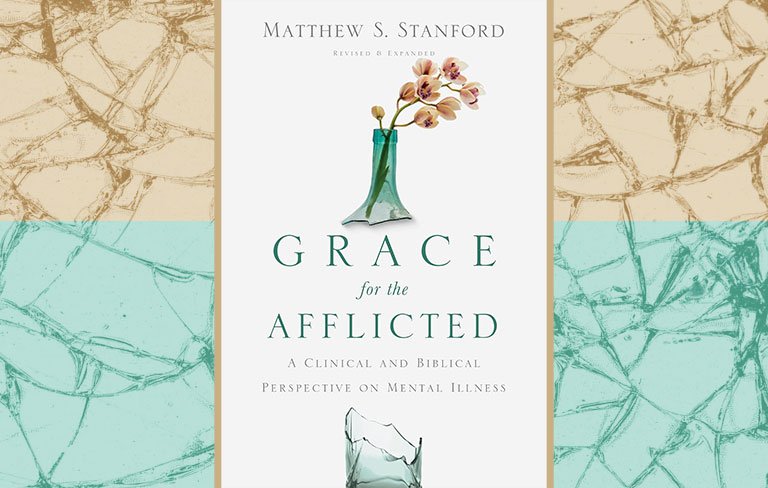
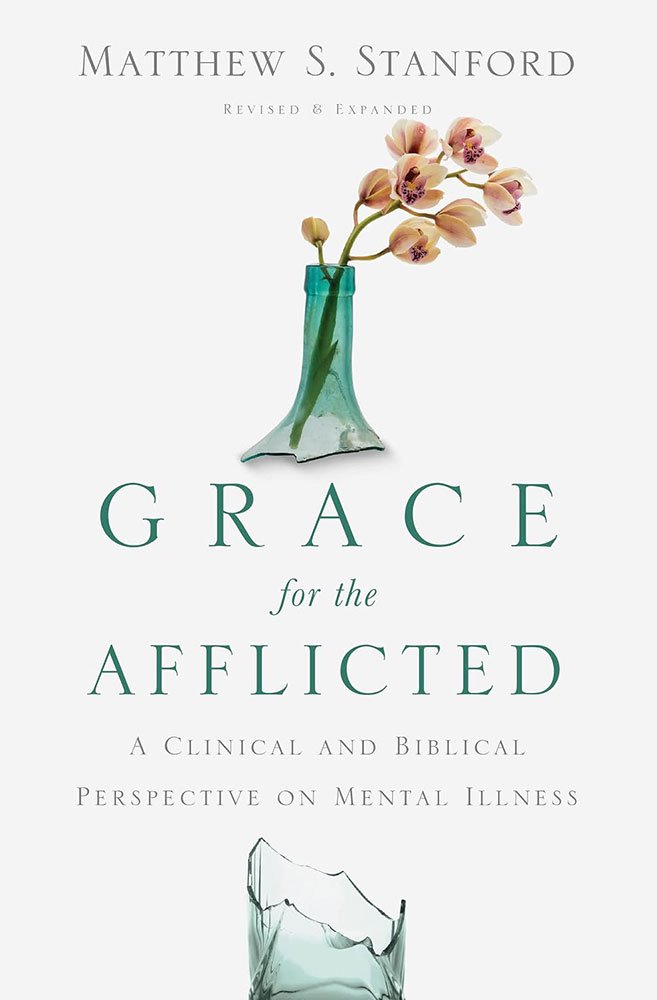
Grace for the Afflicted
by Matthew S. Stanford, PhD
About the Author
Matthew S. Stanford is a neuroscientist, author, and educator who studies the connection between mental health and Christian faith. He leads the Hope and Healing Center & Institute in Texas and teaches psychiatry and psychology at Baylor College of Medicine and the University of Houston. His work focuses on helping churches and communities better understand mental illness and support people who are struggling.
What Is This Book About?
Have you ever wondered whether struggling with depression, anxiety, or another mental health condition means your faith is weak? Have you been told to pray more when what you really need is help with your mental health?
Grace for the Afflicted explores mental illness through both clinical science and the Christian faith. Its central message is that mental illness is a real health concern, not simply a sign of personal sin, weak faith, or spiritual failure.
Mental health conditions can affect the way people think, feel, behave, relate to others, and connect with their faith. These struggles may involve brain function, inherited risks, life experiences, and stress. They cannot always be explained by a person’s choices or spiritual life.
The book also challenges churches to become places where people can seek help without fear of shame or judgment. Recovery may involve several kinds of support, including medical care, counseling, spiritual support, and healthy relationships.
For Christian readers, the book offers an important reminder: seeking professional help and using medication when needed do not have to conflict with trusting God. Faith and mental health care can work together.
Who Might Benefit from This Book?
Grace for the Afflicted may be helpful for:
- People living with depression, anxiety, bipolar disorder, or other mental health conditions.
- Christians who worry that their mental health struggles mean they lack faith.
- People who feel ashamed or confused about taking medication for mental health.
- Family members and friends who want to better understand a loved one’s struggles.
- Church leaders and ministry workers who want to support people experiencing mental health challenges.
- People who want to understand how Christian faith and professional mental health care can work together.
This book may be especially useful for readers who want to explore mental health from a Christian perspective.
Key Ideas to Explore
Mental Illness Is Not a Sign of Weak Faith
People can experience mental illness even when they have a strong faith and a sincere desire to follow God. Depression, anxiety, and other conditions are not always caused by a person’s choices, beliefs, or spiritual habits.
Mental health conditions can involve a mix of biological, psychological, and environmental factors. For example, a person may have a family history of depression and also experience major stress or loss. These factors can work together in ways that affect mental health.
This matters because shame can make it harder to seek help. If you believe that your symptoms mean you have failed spiritually, you may try to hide them or blame yourself rather than reach out for support.
You can take your faith seriously and still need treatment. Having a mental health condition does not make you a bad Christian or mean that God has abandoned you.
We Need to Care for the Whole Person (Mind, Body & Spirit)
Mental health affects more than thoughts and feelings. It can influence sleep, energy, physical health, relationships, daily responsibilities, and spiritual life.
For example, depression may make it hard to get out of bed, connect with loved ones, or take part in activities that once brought joy. Anxiety may make it difficult to concentrate, sleep, or feel safe around others. These struggles can also affect prayer, worship, and a person’s sense of connection with God.
Because these parts of life are connected, recovery may require more than one kind of support. Medical care may address physical or brain-related needs. Counseling can help you work through emotions, thoughts, and life experiences. Relationships and spiritual support may help you find connection, hope, and meaning.
There is no single path that works for everyone. The goal is to care for the whole person, not just one symptom or part of life.
Medication and Faith Can Work Together
Some Christians worry that taking psychiatric medication means they are not trusting God enough. Stanford challenges this belief. He explains that receiving medical treatment does not have to conflict with faith.
Medication may be an important part of treatment for some people. Decisions about medication should be made with a qualified health professional who can explain the benefits, risks, and available options.
Seeking treatment does not mean that a person has failed spiritually.
Churches Can Be Places of Support
People often turn to trusted church leaders when they are struggling. Stanford encourages churches to learn more about mental illness, respond with compassion, and help people find appropriate care.
A supportive faith community can offer friendship, practical help, and a sense of belonging. Churches can also work with mental health professionals to help people find the support they need.
Faith and Professional Care Can Work Together
The book presents Christian faith as a possible source of hope and meaning during recovery. Prayer, spiritual guidance, and relationships within a faith community may be important to some people.
At the same time, spiritual support does not have to replace medical care or counseling. People can seek professional help while continuing to draw strength from their faith.
What I Appreciated About the Book
One of the most important ideas in this book is the idea that faithful people can still experience mental illness. I agree that people should not be made to feel that their symptoms are proof of weak faith or a lack of trust in God.
I also appreciate Stanford’s support for using medical treatment when it is needed. His discussion challenges the idea that medication and faith must compete with each other. People should be able to explore treatment options without feeling ashamed.
Another strength is the book’s emphasis on community. Mental health struggles can feel lonely, especially when people fear being judged. Churches, families, friends, and counselors can all play a role in helping people feel understood and supported.
Overall, the book offers an important reminder that people experiencing mental illness deserve care, respect, and compassion.
Things to Keep in Mind
Although this book offers helpful ideas, there are a few points readers should consider.
Biblical Stories Cannot Provide a Complete Diagnosis
Stanford discusses several people in the Bible and considers whether their experiences resemble modern mental health conditions. For example, he explores the lives of King Saul, King David, and Nebuchadnezzar.
These discussions may help readers think about mental health in a new way. However, the Bible does not provide all the information a mental health professional would need to diagnose someone today. We do not have a complete record of these individuals’ symptoms, personal histories, or daily functioning.
For this reason, any modern diagnosis of a biblical figure should be viewed as an interpretation, not a confirmed medical diagnosis.
Mental Health Conditions Need Individual Care
People can experience similar symptoms for different reasons, and a treatment that helps one person may not be right for another. This book offers a Christian framework for understanding mental health, but it cannot replace an individual assessment or treatment plan from a qualified professional.
Faith Communities May Need More Training
The book encourages churches to support people experiencing mental illness. This is an important goal, but good intentions alone may not be enough. Church leaders and volunteers need education about mental health, an understanding of their own limits, and clear ways to connect people with qualified professionals.
Spiritual support can be valuable, but serious or ongoing mental health concerns may also require professional care.
Why This Book May Be Helpful in Counseling
Grace for the Afflicted may be useful for clients who are trying to understand how mental health and Christian faith can fit together. It may be especially helpful for people who feel guilty about their symptoms, worry that medication shows a lack of faith, or have been judged by others because of their mental health.
The book can also help family members and church communities learn how to respond with greater understanding. Its message encourages people to replace blame and shame with compassion and practical support.
For counselors working with Christian clients, the book offers a way to discuss spiritual beliefs alongside mental health needs. It may help clients feel more comfortable seeking treatment while honoring the role their faith plays in their lives.
Questions for Reflection
As you read, consider these questions:
- Have I ever felt that my emotional struggles meant I was not strong enough or faithful enough?
- What messages about mental health did I learn from my family or faith community?
- How might I respond differently to myself if I viewed mental illness as a health concern rather than a personal failure?
- What kinds of support help me feel understood and cared for?
- Are there beliefs or fears that make it difficult for me to seek professional help?
- How could my faith, personal values, or supportive relationships help me during a difficult time?
- What is one step I could take to find the support I need?
You do not have to answer every question at once. Choose the questions that feel most helpful to you.
A Final Thought
Struggling with your mental health does not mean you have failed, and it does not mean you lack faith. You deserve compassion and support, whether that comes through counseling, medical care, trusted relationships, spiritual guidance, or a combination of these.
You do not have to choose between caring for your mental health and honoring your faith.
Book Information
Title: Grace for the Afflicted: A Clinical and Biblical Perspective on Mental Illness
Author: Matthew S. Stanford
Edition: Second edition
Publisher: InterVarsity Press
Publication year: 2017
APA Reference
Stanford, M. S. (2017). Grace for the afflicted: A clinical and biblical perspective on mental illness (2nd ed.). InterVarsity Press.