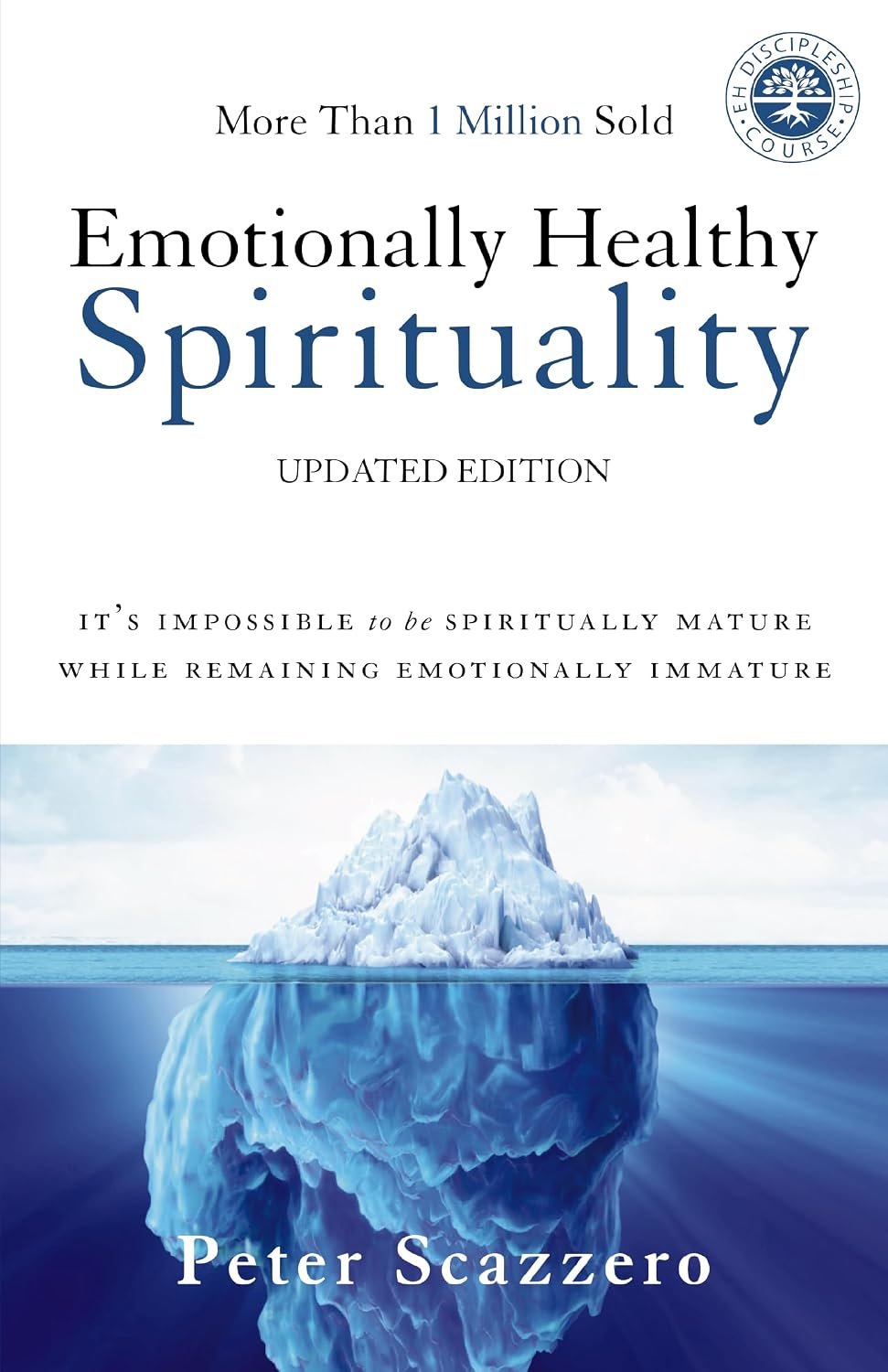
Emotionally Healthy Spirituality
by Peter Scazzero
About the Author
Peter Scazzero is a pastor and author who served as the senior pastor of New Life Fellowship Church in Queens, New York. After experiencing burnout in his personal life and ministry, he began to see how emotional health affects spiritual growth.
He later helped develop Emotionally Healthy Discipleship, an approach to Christian growth that includes understanding emotions, examining family patterns, and building healthier relationships. His work encourages Christians to look beyond outward religious activity and pay attention to their inner lives.
What Is This Book About?
Have you ever felt that you should be doing more for God, even when you are already tired or overwhelmed? Do you find it hard to express your feelings, set boundaries, or understand why certain relationships leave you feeling hurt or frustrated?
Emotionally Healthy Spirituality explores the connection between emotional health and spiritual growth. Being active in church, reading the Bible, and serving others can be meaningful parts of faith. However, these activities do not automatically resolve painful emotions, unhealthy relationship patterns, or past experiences that continue to affect us.
Our family history, fears, losses, and unmet emotional needs can shape how we see ourselves and relate to others. These patterns may continue into adulthood, even when we are not aware of them. Learning to recognize them can help us understand our reactions and make healthier choices.
The book also explores grief, rest, personal limits, and honest relationships. It challenges the idea that Christians must always appear strong, stay busy, or have easy answers. Emotional struggles are part of being human, and facing them honestly can be part of spiritual growth.
Who Might Benefit from This Book?
Emotionally Healthy Spirituality may be helpful for people who:
- Feel burned out from work, family responsibilities, or church activities.
- Often put other people’s needs before their own.
- Struggle to understand or express their emotions.
- Notice that family patterns continue to affect their relationships.
- Have difficulty setting boundaries or saying no.
- Feel pressure to appear strong or spiritually mature.
- Are dealing with grief, disappointment, or a season of doubt.
- Want their faith to shape their inner life, not just their outward behavior.
The book is written from a Christian perspective, so it may be especially meaningful to Christians, pastors, and ministry leaders. Readers from other backgrounds may still find some of its ideas about emotions, relationships, and rest useful.
Key Ideas to Explore
Real Growth Goes Beyond What Others Can See
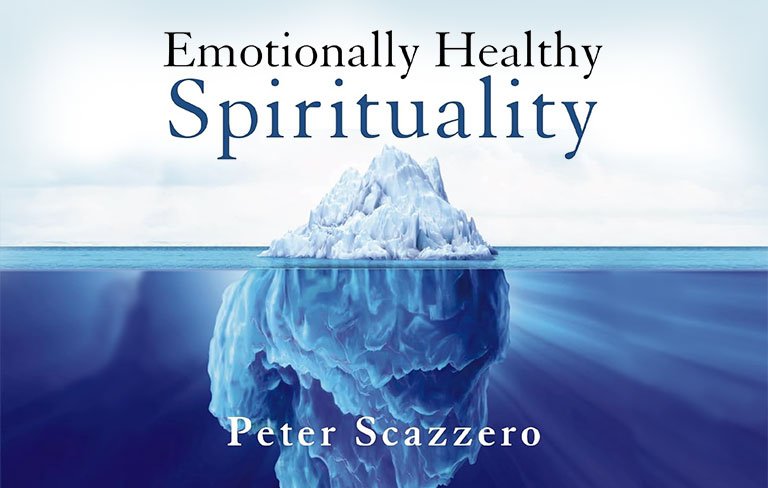
The book uses an iceberg to show how much of our inner lives can remain hidden. Others may see our behavior, achievements, or church involvement without knowing about our fears, hurt, anger, or sadness.
It is possible to do many good things while avoiding problems that need attention. For example, someone may spend much of their time helping others because it feels easier than facing conflict at home or admitting they are struggling.
Looking beneath the surface means paying attention to what we feel, what drives our choices, and what we may be avoiding. This can help us understand ourselves more honestly.
Understanding Your Emotions Is Part of Spiritual Growth
Some people learn that certain emotions should be hidden or that feeling angry, sad, or afraid shows weakness. Others may feel pressure to forgive quickly or remain positive when they are hurting.
Emotions are part of being human. Recognizing what you feel does not mean every reaction is helpful or that you must act on every feeling. It gives you a chance to understand what is happening and choose how to respond.
In a Christian context, emotional honesty can also create room to bring pain, anger, fear, and disappointment into your relationship with God rather than pretending these feelings are not there.
Your Family History Can Affect Your Relationships
The way we grow up can shape how we handle conflict, express emotions, and connect with others. Family rules and patterns may continue into adulthood, even when we do not realize it. This requires exploring our family-of-origin.
For example, if conflict was avoided in your childhood home, you may find it difficult to speak up when something bothers you. If you had to keep everyone happy, you may feel guilty when you set a boundary. If affection was unpredictable, you may find it hard to trust that others will remain close to you.
These patterns can continue even when we want our adult relationships to be different. Recognizing them can help us understand our reactions and begin to change habits that no longer serve us.
Family history influences us, but it does not have to determine our future.
Difficult Seasons Can Bring Important Questions
The book uses the term “the Wall” to describe a painful or confusing period in which familiar ways of living or practicing faith no longer seem to work. This may involve grief, disappointment, doubt, or feeling distant from God.
Such experiences can lead people to examine their lives more deeply. They may begin to recognize needs they have ignored, beliefs they have never questioned, or pain they have tried to manage on their own.
However, suffering does not always have a clear purpose or an easy explanation. A difficult season is not proof that your faith is weak, and you do not have to turn every painful experience into a lesson. Support, time, and care may be needed simply to get through it.
Rest and Boundaries Matter
Rest is not a reward you must earn by doing enough. It is a human need. The book discusses Sabbath, a regular time set aside to stop working and make room for rest and connection with God.
This can be difficult if you believe your worth depends on how much you accomplish or how much you do for others. Learning to set limits can help you recognize that you have needs, too.
Healthy boundaries do not mean that you stop caring about people. They help you understand what you are responsible for and what belongs to someone else. You can care about another person’s feelings without being responsible for managing every emotion or choice they make.
Healthy Relationships Require Honesty and Self-Awareness
Healthy relationships involve more than avoiding arguments. They require clear communication, respect, and a willingness to take responsibility for your part in a problem.
This includes expressing what you need rather than expecting others to guess, recognizing when a situation triggers a strong emotional reaction, and being willing to work through disagreements.
It also involves understanding the difference between staying connected to someone and losing yourself in the relationship. You can care about another person while still having your own beliefs, feelings, needs, and limits.
What I Appreciated About the Book
The connection between spiritual activity and emotional avoidance is important. Religious practices and serving others can be meaningful, but they can also become ways to avoid painful feelings or difficult relationships. A person may appear devoted and dependable while struggling with issues that remain unaddressed. Spiritual growth involves looking honestly at what is happening beneath the surface, not just maintaining outward signs of faith.
I also found the attention to family patterns valuable. Our early relationships can affect how we respond to conflict, express emotions, and understand closeness. Exploring these patterns can help us recognize why certain situations affect us so strongly and where we may have room to grow.
The book’s discussion of the Wall also offers a meaningful reminder that grief, doubt, and disappointment do not automatically mean spiritual failure. People do not have to hide their struggles to be faithful.
Finally, the emphasis on rest and healthy limits challenges the belief that being constantly available to others is a sign of goodness or faithfulness. Making room for rest and recognizing our limits can support both emotional health and spiritual life.
Things to Keep in Mind
The book raises useful questions, but some of its explanations may not fit every reader. It is worth considering where its ideas are helpful and where another approach may offer a better understanding.
Different Approaches Can Help Explain Relationship Patterns
The book draws on the idea of differentiation, which comes from Bowen Family Systems Theory. In simple terms, differentiation is the ability to stay connected to other people while keeping a clear sense of who you are. You can listen to others, care about their feelings, and remain part of a family without automatically agreeing with them or giving up your own needs.
This can be a useful way to understand family relationships. However, I questioned whether Bowen’s theory was the best framework for explaining the kind of healing the book describes. Attachment-based approaches focus more on how early relationships shape our ability to trust, feel safe, and connect with others. Developmental approaches look at how our needs and sense of self change as we grow.
These approaches may offer other ways to understand how painful relationships affect us and how healing relationships can support growth. From a Christian perspective, they may also help explore how a person’s identity in Christ and relationships with others can be part of healing. No single theory explains every person’s experience, and a counselor can help you consider which approach best fits your needs.
“The Wall” May Not Describe Everyone’s Experience
The idea of the Wall can help people understand seasons when their usual ways of coping or practicing faith no longer seem to work. However, I found the way the book describes the Wall difficult to follow at times. It presents the Wall as a stage in spiritual growth while also recognizing that people may experience several such periods throughout life.
This raises questions about whether the Wall is a distinct stage or a way of describing difficult experiences that may happen at different times. Your life may not follow the pattern described in the book, and that does not mean you are missing an important step in your spiritual growth. Grief, doubt, and emotional pain deserve attention whether or not they fit a particular model.
You Do Not Have to Work Through Pain Alone
Exploring family patterns, grief, and difficult emotions can bring up painful memories or strong reactions. You do not have to explore everything at once or manage it without help.
A trusted person, counselor, or other qualified professional can help you work through difficult experiences at a pace that feels manageable. For concerns involving faith, you may also want support from someone who respects your beliefs without treating emotional struggles as a failure of faith.
Why This Book May Be Helpful in Counseling
Emotionally Healthy Spirituality can provide a starting point for exploring how your emotions, family history, relationships, and faith affect one another.
In counseling, the ideas about family patterns may help you recognize why you react strongly to certain situations or repeat relationship habits you want to change. The discussion of emotional awareness may help you identify feelings you have learned to hide. The emphasis on rest and boundaries may be useful if you struggle with burnout, perfectionism, or putting everyone else’s needs first.
The book may also help Christian clients talk about grief, anger, disappointment, or doubt without assuming these experiences mean something is wrong with their faith.
Its approach is not the only way to understand emotional or spiritual growth. A counselor can help you consider its ideas alongside other approaches, including family systems, attachment, and developmental perspectives. The goal is not to fit your life into the book’s model, but to find ways to understand yourself and build healthier relationships.
The book can support counseling discussions, but it is not a replacement for professional care.
Questions for Reflection
As you read, consider the questions that connect with your own life:
- Do I sometimes use work, church activities, or helping others to avoid painful feelings or relationship problems?
- What did my family teach me about expressing emotions, handling conflict, or asking for help?
- Do I find it difficult to stay connected to others without giving up my own needs or beliefs?
- What situations tend to trigger strong emotional reactions in me?
- Do I expect people to know what I need, or do I communicate my needs clearly?
- Do I feel guilty when I rest or say no?
- How do I respond to grief, disappointment, anger, or doubt?
- Does the idea of “the Wall” fit my experience, or does another way of understanding difficult seasons make more sense to me?
- What might healing look like in my relationships with others, myself, and God?
- Who could support me as I explore these questions?
You do not have to answer every question at once. Some questions may bring up difficult feelings, so take your time and seek support when needed.
A Final Thought
Emotional and spiritual growth involves more than what others see. It can mean facing painful feelings, understanding how your family history affects you, learning to set boundaries, and building relationships in which you can remain connected without losing yourself.
You do not have to be constantly busy, hide your struggles, or follow one model of spiritual growth to prove that your faith is strong. You can be honest about what you are experiencing, make room for rest, and seek support as you work toward a healthier life.
Book Information
Title: Emotionally Healthy Spirituality: It’s Impossible to Be Spiritually Mature While Remaining Emotionally Immature
Author: Peter Scazzero
Publisher: Zondervan
Edition: Updated edition
Publication year: 2017
APA Reference
Scazzero, P. (2017). Emotionally healthy spirituality: It’s impossible to be spiritually mature while remaining emotionally immature (Updated ed.). Zondervan.