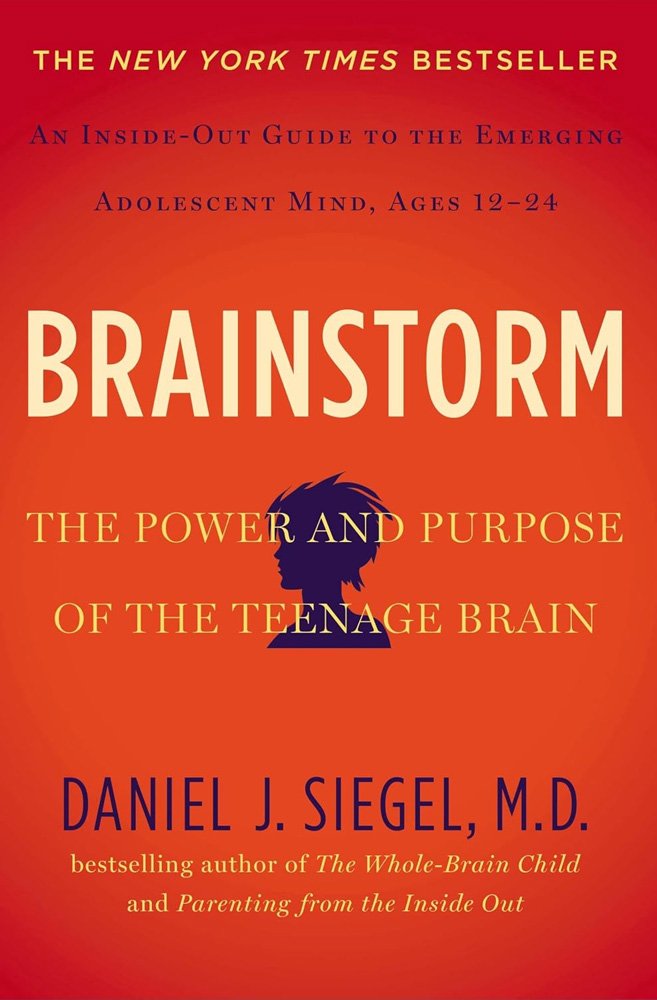
The Seven Principles for Making Marriage Work
by John M. Gottman and Nan Silver
About the Author
John M. Gottman, Ph.D., is a psychologist and researcher known for his work on marriage stability and divorce prediction. He is professor emeritus of psychology at the University of Washington, where he spent over four decades studying marital interactions. His findings emerged from his “Love Lab,” where observational research enabled him to identify specific communication patterns that predict divorce with high accuracy. Together with his wife, Dr. Julie Schwartz Gottman, he co-founded The Gottman Institute to offer clinical training and evidence-based resources for couples.
Nan Silver is an author, journalist, and editor who writes frequently on psychology, parenting, and family life. She has collaborated with Dr. Gottman across several book projects. Her primary contribution involves translating complex clinical studies and observational data into clear, accessible guidance for the general public.
What Is This Book About?
The Seven Principles for Making Marriage Work presents a research-based framework for strengthening relationship stability and emotional connection. Rather than treating communication exercises or simple conflict resolution as the primary cures for marital problems, the book argues that long-term satisfaction depends on emotional attunement, mutual respect, and a deep underlying friendship. Gottman and Silver present findings gathered from decades of observational laboratory studies to explain why marriages succeed or fail.
The text details specific interaction patterns that signal relational distress, most notably the destructive communication habits known as the Four Horsemen of the Apocalypse. To counter these patterns, the authors outline seven core principles designed to deepen intimacy, manage inevitable disagreements, and foster shared life goals. The book pairs scientific observations with diagnostic questionnaires and practical partner exercises, offering a structured roadmap to help couples build mutual trust and prevent relationship breakdown.
Who Might Benefit from This Book?
This book is intended for couples at any stage of their relationship—whether dating, engaged, newly married, or together for many years—who want to strengthen their bond and deepen emotional intimacy. It is especially useful for:
- Partners who feel emotionally disconnected, struggle with communication, or want to improve their relationship but do not know where to start.
- Individuals who did not grow up with a healthy model of marriage and want clear, practical guidance.
- Counselors, pastors, and helping professionals who work with couples and desire concrete, research-backed tools for premarital preparation or marital enrichment.
The book is best approached with caution by couples navigating unresolved trauma, high-conflict volatility, insecure attachment, or emotionally restrictive backgrounds, where deep disclosures may feel unsafe without the guidance of a trained counselor.
Key Ideas to Explore
The Importance of Friendship in Marriage
Deep friendship serves as the foundation for a happy and lasting marriage. This dynamic allows partners to know each other well, cultivate mutual respect, and genuinely enjoy spending time together. This connection involves emotional and intellectual intimacy that creates safety, affection, and positive sentiment override, acting as a crucial buffer during times of conflict.
Managing Conflict Rather than Resolving It
Unlike traditional marriage therapy models that emphasize total conflict resolution, the research suggests that roughly two-thirds of marital conflicts are perpetual. These recurring issues stem from core differences in personality, lifestyle, or values that may never fully disappear. The goal is not to eliminate all conflict, but to learn to manage it with humor, affection, openness, and compromise.
Predictors of Divorce and the Four Horsemen
The text identifies key predictors of divorce, including harsh start-ups, emotional flooding, bodily stress reactions, failed repair attempts, and the Four Horsemen of the Apocalypse. Among these, the Four Horsemen—criticism, contempt, defensiveness, and stonewalling—serve as clear warning signs of relational decay that must be identified and replaced to restore emotional safety.
The Concept of Repair Attempts
Repair attempts are efforts made by a partner to de-escalate tension and restore emotional connection during an argument. In resilient marriages, these attempts are frequent, timely, and well-received, ranging from honest vulnerability to lighthearted humor that breaks the tension. The health of a marriage depends not on the total absence of conflict, but on a couple’s ability to repair and recover when disagreements arise.
Creating Shared Meaning
Creating shared meaning represents the culmination of the seven principles, moving couples into a deeper level of connection where they build a shared purpose. This involves establishing family rituals, common values, shared goals, and a unified sense of identity. Shared meaning gives structure and direction to the marriage, transforming it into a resilient bond anchored in mutual legacy and long-term vision.
What I Appreciated About the Book
The explanation of divorce predictors provides valuable clarity on how relationship patterns turn destructive. Concepts like harsh start-ups, emotional flooding, and negative sentiment override demonstrate how measurable and systemic these struggles can be beneath the surface. Providing clear names for behaviors like criticism, contempt, defensiveness, and stonewalling gives couples a practical vocabulary for honest self-reflection.
The emphasis on turning toward one another during moments of tension is another notable strength. Emotionally healthy couples do not simply connect during easy moments; they stay relationally engaged during conflict rather than withdrawing or shutting down. This consistent engagement preserves trust and intimacy when differences arise.
The practical surveys and exercises included throughout the chapters—such as tools for mapping partner worlds, nurturing fondness, recognizing flooding, and practicing repairs—turn theoretical concepts into direct action. These exercises provide accessible starting points for couples seeking to build emotional safety and security.
Finally, distinguishing between solvable and perpetual problems lifts unrealistic pressure from marriage. Acknowledging that many disagreements are rooted in unchangeable personality differences helps partners stop demanding total conformity from one another. Reframing the goal around understanding, mutual respect, and managing differences with grace is both practical and reassuring.
Things to Keep in Mind
Dismissal of Traditional Marriage Counseling
The book takes an unnecessarily critical tone toward traditional marriage counseling. Many couples already struggle to find the courage to seek professional help, and dismissing other therapeutic models risks reinforcing general skepticism toward counseling. Tearing down other mental health professionals to elevate an empirical method comes across as divisive and unhelpful.
Assumptions of Baseline Safety and Trauma Sensitivity
The exercises in the book, particularly those dealing with gridlocked conflict and uncovering hidden dreams, assume a baseline level of emotional safety that not all couples share. For individuals with histories of trauma, abuse, or deep-seated fear, these exercises can feel overwhelming or triggering without direct therapeutic support. The text at times oversimplifies the complex dynamics required to navigate these vulnerable conversations safely.
Risks of Unassisted Dream Exploration
Uncovering hidden dreams beneath recurring arguments is an important relational goal, but attempting to do so without professional guidance can be risky for distressed partners. Couples who lack emotional regulation or who are caught in high-conflict cycles can easily hurt or re-traumatize one another when attempting these deep disclosures without a counselor present.
Power Dynamics and Faith Frameworks
While mutual influence is essential for healthy partnerships, the text does not account for the unique dynamics within Christian communities where traditional gender roles or male headship are observed. In these settings, power dynamics can feel rigid and difficult to question. The material would be strengthened by showing how mutual influence aligns with biblical truth, recognizing spouses as equal image-bearers called to Christlike, self-giving love rather than competition.
Why This Book May Be Helpful in Counseling
The Seven Principles for Making Marriage Work offers counselors and ministry leaders a research-based, practical framework for evaluating and strengthening marital relationships. Its emphasis on observable behaviors, emotional attunement, and concrete conflict management equips clinicians with effective tools for session work and premarital preparation.
For motivated clients looking to improve communication, deepen friendship, and learn de-escalation skills, the book provides accessible guidance and structured exercises. However, counselors should use caution when recommending it to clients with active trauma, high conflict, or emotionally restrictive backgrounds, where these exercises are best mediated inside a clinical setting.
Questions for Reflection
- How well do the daily conversations in our home reflect an accurate understanding of each other’s inner thoughts, feelings, and current stresses?
- Which of the Four Horsemen—criticism, contempt, defensiveness, or stonewalling—tends to surface most often during our disagreements?
- What physical or emotional signs indicate that emotional flooding has occurred, and what steps help us pause to regain calm?
- What kinds of repair attempts are most effective at de-escalating tension between us when a conversation becomes heated?
- How can we practice mutual influence and respect in our decision-making while honoring our core beliefs and values?
- What shared goals, family habits, or faith traditions give our relationship a clear sense of unified purpose?
A Final Thought
A strong and lasting marriage is built not on the absence of disagreements, but on the strength of the underlying friendship, mutual respect, and the willingness to repair mistakes. Learning to manage perpetual differences with grace and building a shared vision for life allows partners to create a secure, resilient relationship.
Book Information
Title: The Seven Principles for Making Marriage Work: A Practical Guide from the Country’s Foremost Relationship Expert
Authors: John M. Gottman, Ph.D., and Nan Silver
Publisher: Harmony Books
Publication year: 2015 (2nd ed.)
APA Reference
Gottman, J. M., & Silver, N. (2015). The seven principles for making marriage work: A practical guide from the country’s foremost relationship expert (2nd ed.). Harmony Books.