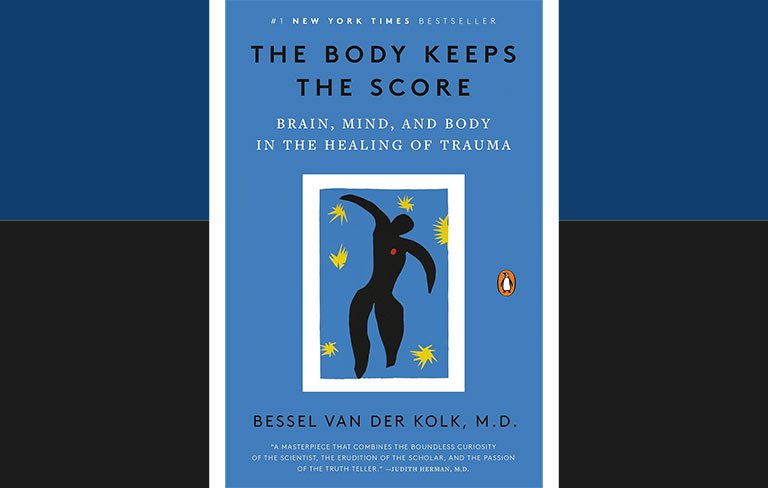
Bessel van der Kolk, a leading psychiatrist and researcher in the field of trauma, once quoted a friend of his who observed the fact that all research is really“me-search.” That phrase stuck with me, and I do think there’s a great deal of truth to it, especially when I think about my research proposal for my graduate degree.
When it came time to narrowing our interests down to a single research topic, I explored a number of possibilities: trauma its effects on children, adverse childhood experiences and how they shape individuals in the helping professions, along with several other subjects. Our professors reminded us that whatever we chose needed to be something we were genuinely passionate about. Otherwise, we might find ourselves burnt out on the topic.
What I eventually landed on was something much closer to home: the emotional and psychological well-being of pastors.
And perhaps that’s where the “me-search” part becomes most apparent. Pastoral ministry is a world I have spent considerable time thinking about, and the emotional lives of those who dedicate themselves to caring for others is a subject I believe deserves considerably more attention.
Above Reproach, Below the Surface: The Hidden Emotional World of Pastoral Ministry
What happens when the people everyone turns to for support feel they have nowhere to turn themselves?
There’s an unspoken expectation that comes with pastoral ministry: pastors are supposed to have it together.
They’re expected to be spiritually mature, emotionally steady, relationally available, and capable of navigating just about anything life throws their way. They’re the ones people call when marriages fall apart, when families experience loss, when someone receives a difficult diagnosis, or when life simply becomes overwhelming.
But what happens when the person everyone turns to for support is struggling themselves?
For many pastors, there’s an unspoken pressure to keep those struggles hidden. After all, how can you lead others through difficult seasons when you’re barely holding yourself together?
It’s a tension I’ve become increasingly interested in, both personally and through my counseling studies. And it’s the question behind my current research project: The SHEP Study (Social Desirability, Human Emotions, and Pastoral Coping).
The Pastoral Paradox
One of the things that initially caught my attention in the research was the contrast between pastoral retention and pastoral well-being.
While the annual pastoral attrition rate remains remarkably low (approximately 1.2%), roughly one in three pastors has seriously considered leaving full-time ministry within the past year.
In other words, many pastors aren’t necessarily leaving their positions, but that doesn’t mean they’re doing well.
They’re still preaching, teaching, leading, counseling, visiting, and showing up every Sunday. From the outside, everything may appear relatively stable. But beneath the surface, many are experiencing emotional exhaustion, relational isolation, and declining vocational satisfaction.
I think this raises an important question: What if staying in ministry and flourishing in ministry aren’t necessarily the same thing?
We can celebrate a pastor’s commitment and perseverance while still recognizing that something may be happening beneath the surface that deserves our attention.
The Superhero Facade
Pastors often enter ministry with a genuine desire to serve God and care for others. But somewhere along the way, that calling can become entangled with expectations about what a pastor should look like.
Strong. Self-sacrificing. Available. Dependable. Spiritually mature. Emotionally steady.
There’s nothing inherently wrong with aspiring to these qualities. The problem arises when they become expectations that leave little room for being human.
When pastors begin to believe they must always be the strong one, vulnerability can start to feel like a liability. Admitting you’re struggling might feel like admitting you’re failing. Asking for help might feel like an acknowledgment that you’re somehow less capable of fulfilling your calling.
And so, the mask stays on.
We learn to separate what people see from what we actually experience. We show up, fulfill our responsibilities, and carry on, even when our internal world looks very different.
But maintaining that image comes at a cost.
When Appearance Becomes More Important Than Authenticity
This is where my research takes a closer look at something psychologists call social desirability.
In simple terms, social desirability refers to our tendency to present ourselves in ways that we believe will be viewed favorably by others. Sometimes this is intentional; other times, it happens without us even realizing it.
For pastors, this can become particularly complicated.
When your identity is closely tied to being a spiritual leader, there may be considerable pressure to present yourself as someone who has the answers, demonstrates unwavering faith, and handles adversity well.
But what happens when that pressure begins to influence how you process your own emotions?
Two concepts become particularly important here:
Emotional suppression is the tendency to conceal or inhibit the outward expression of emotions, even when those emotions are being experienced internally.
Experiential avoidance involves attempts to escape, suppress, or avoid uncomfortable internal experiences, including difficult thoughts, feelings, and memories.
Both can serve a protective purpose in certain situations. But when they become habitual ways of navigating life, they can make it increasingly difficult to acknowledge our needs, process difficult emotions, and seek meaningful support.
Sometimes, what looks like spiritual strength on the outside may actually be emotional avoidance underneath.
And that distinction matters.
The Cost of Carrying It Alone
Pastoral ministry is inherently relational. Pastors spend much of their lives investing in the emotional and spiritual well-being of others.
Yet relationships are often one of the areas where pastors report struggling the most.
Consider that 52% of pastors report not utilizing a personal mentor, coach, counselor, or spiritual director for support.
Think about that for a moment.
These are individuals who routinely encourage others to seek wisdom, cultivate healthy relationships, and find support during difficult seasons. Yet many navigate their own struggles without those same resources.
Why?
Perhaps vulnerability feels too risky. Perhaps there’s a fear of being misunderstood, judged, or viewed differently by those they serve. Perhaps they’ve become so accustomed to being the person others depend on that they’ve forgotten what it feels like to depend on someone else.
Whatever the reasons, isolation can become another layer of the problem.
And when difficult emotions remain unprocessed and meaningful support remains out of reach, unhealthy coping patterns can begin to take hold.
What the SHEP Study Hopes to Understand
The SHEP Study seeks to examine the relationship between three important areas:
- Social desirability: The pressure or tendency to present oneself favorably.
- Emotional suppression and experiential avoidance: The ways individuals conceal or avoid difficult internal experiences.
- Maladaptive coping: Less helpful strategies individuals may rely on when navigating stress and emotional difficulty.
More specifically, the study examines two questions:
- Does social desirability predict emotional suppression and avoidance among pastors?
- Do social desirability and suppression/avoidance together predict greater use of maladaptive coping strategies?
These are proposed relationships that the study seeks to investigate, not established findings.
Ultimately, I hope this research contributes to a better understanding of the psychological processes that may influence pastoral well-being.
What If Pastors Had Permission to Be Human?
I keep coming back to this question.
What would happen if we created ministry environments where pastors didn’t feel compelled to maintain an image of perpetual strength?
What if vulnerability wasn’t interpreted as weakness, but recognized as an important part of authentic relationships?
What if seeking counseling, developing meaningful friendships, and acknowledging emotional struggles were viewed as normal aspects of caring for one’s own well-being?
I believe we need to reconsider some of our expectations surrounding pastoral leadership.
Pastors are called to care for others, but they are human beings with emotional, relational, and psychological needs of their own. Their calling doesn’t exempt them from those needs.
And perhaps one of the most important things we can do for the people who spend their lives caring for others is create spaces where they can be cared for, too.
Because the people who shepherd others need shepherding themselves.
And they shouldn’t have to wait until they’re falling apart to receive it.
The SHEP Study (Social Desirability, Human Emotions, and Pastoral Coping) is an ongoing research project exploring the relationship between social desirability, emotional processing, and coping among Christian ministers.