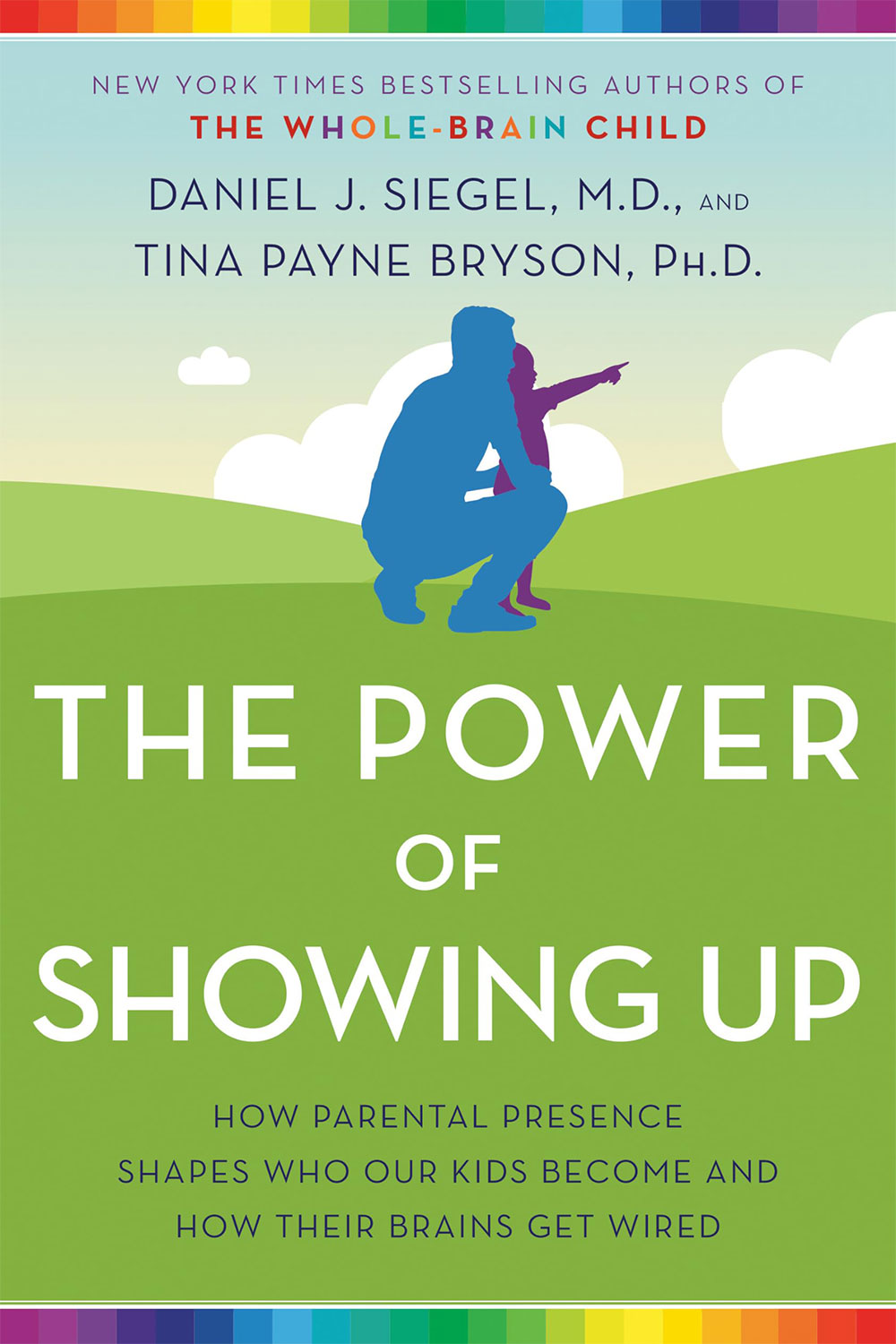
The Power of Showing UP
by Daniel Siegel, M.D. and Tina Payne Bryson, Ph.D.
About the Authors
Daniel J. Siegel, M.D., is a clinical professor of psychiatry at UCLA, a brain specialist, and an author. He helped found the Mindful Awareness Research Center and leads the Mindsight Institute. His work centers on interpersonal neurobiology, which studies how relationships shape the human brain. He has written several widely read books, including The Whole-Brain Child, Mindsight, and The Developing Mind. His research looks closely at how emotional connection and healthy bonding help children grow.
Tina Payne Bryson, Ph.D., is a licensed clinical social worker, speaker, and child development specialist. She founded The Center for Connection and the Play Strong Institute. Her work focuses on using attachment science to help parents, teachers, and counselors. Along with Dr. Siegel, she has co-authored bestselling books like No-Drama Discipline to help adults guide children with patience and understanding.
What Is This Book About?
The Power of Showing Up focuses on how regular emotional support from caregivers shapes a child’s growing brain. Drawing from brain science and attachment research, the authors set aside strict parenting rules to focus on basic connection. The book explains how being physically and emotionally present helps children feel protected, understood, comforted, and confident.
The central idea is that being a good caregiver does not require perfection. Everyday moments like shared meals, quiet bedtime chats, and listening after school build trust over time. When parents learn to stay calm, fix mistakes after arguments, and understand their own childhood stories, they give children a stable foundation for healthy future relationships.
Who Might Benefit from This Book?
This book may be helpful if you:
- Are a parent, foster parent, adoptive caregiver, or educator looking for simple ways to connect with kids.
- Work in family counseling, childcare, or church family ministry.
- Feel stressed by high expectations and worry that you are not doing enough as a parent.
- Want to understand how brain growth is shaped by daily relationships.
- Grew up in a home that lacked emotional warmth and want to build healthier habits for your own children.
- Struggle to stay calm when your child is upset or acting out.
- Wonder how to reconnect with your child after an argument or mistake.
- Want to learn how personal self-reflection makes you a better caregiver.
The book offers practical help both for parents wanting simple tools and for adults working through their own childhood memories.
Key Ideas to Explore
Parental Presence
Caregiver presence means paying close attention to a child’s feelings. It does not require having every answer or handling every problem perfectly. When caregivers reliably show up during regular daily routines, children gain the confidence and emotional balance they need for life.
Attachment and Brain Growth
Relationships help build the physical wiring of a young brain. Warm, reliable bonds teach the brain how to handle stress, control impulses, and build empathy. Neuroscience shows that consistent connection helps children handle difficult emotions as they grow up.
The Four S’s of Healthy Bonding
The core teaching of the book centers on four simple goals: helping a child feel Safe, Seen, Soothed, and Secure. Protecting children from danger, keeping home free from threats, noticing their inner feelings, and comforting their distress builds a lasting sense of security.
Healing Across Generations
Adults who did not experience warmth or safety during their own childhood can still provide it for their children. By looking back honestly at their own past experiences, parents can build what the authors call “earned security.” This mindful reflection helps break negative family cycles.
The Power of Making Repairs
Misunderstandings and hurt feelings happen in every family. What protects a bond is the choice to return, apologize, and make things right. Admitting a mistake shows children that taking responsibility is healthy, brave, and necessary for lasting trust.
What I Appreciated About the Book
The definition of safety is clear and practical. A caregiver has two key jobs: protecting children from outside harm and making sure they do not become a source of fear themselves. This balance keeps the focus on creating a home where children feel genuinely protected.
The focus on small daily habits is another strong point. Parents do not need grand gestures to build deep bonds. Simple routines like listening after school, sitting together at dinner, and talking at bedtime build lasting security. The reminder that consistency matters far more than perfection helps take pressure off tired parents.
The Four S’s framework provides a memorable, clear way to think about child needs. It breaks complicated science down into simple goals: keeping kids safe, noticing who they are, comforting them in distress, and helping them feel secure. This structure gives adults a direct guide for daily life.
Finally, the book gives great advice on parent self-awareness and apologies. Being truly present requires parents to control their own anger first, because an out-of-control adult cannot soothe an upset child. Explaining that parents can simply sit with a hurting child without trying to fix everything right away offers helpful relief. Showing that an honest apology heals relationships teaches children that mistakes can always be repaired.
Things to Keep in Mind
Heavy Focus on Attachment Theory
The book claims that attachment is the single best predictor of how a child turns out. While early bonds are very important, some readers may feel this focus overlooks other key influences. A child’s natural temperament, peer friendships, family income, and sudden hardships also play large roles in how they grow up.
Lighthearted Design Might Disguise Clinical Value
The book uses simple cartoons, casual language, and lighthearted drawings to explain concepts. While this style makes the science easy for busy parents to read, some clinical professionals might mistake the approachable tone for a lack of depth.
Personal Work Comes First
The book asks caregivers to look closely at their own past hurts to avoid passing them along to their children. For adults with painful childhood backgrounds, doing this self-reflection alone can sometimes bring up difficult feelings that require outside guidance from a counselor.
Why This Book May Be Helpful in Counseling
The Power of Showing Up provides counselors with a simple, clear tool for family therapy and parent coaching. It takes complex brain science and turns it into practical steps that clients can actually use at home.
The Four S’s framework gives therapists an easy way to help clients evaluate their childhood history and current parenting styles. It works well for parents dealing with guilt, adults healing from early emotional neglect, and families working to rebuild trust after conflict.
Questions for Reflection
- What regular daily routines give me the best chance to focus on my child without distractions?
- How do I usually react when my child is crying, angry, or upset?
- Am I able to calm my own anger before trying to correct my child’s behavior?
- What makes it easy or hard for me to apologize when I lose my temper?
- How do the ways I was cared for as a child affect how I treat my family today?
- What is one practical thing I can do this week to help my family feel safer and more supported?
A Final Thought
Being a dependable presence in a child’s life does not require being perfect or having all the answers. Real connection grows when you stay present through hard feelings, admit your own mistakes, and show up with steady care each day.
Book Information
Title: The Power of Showing Up: How Parental Presence Shapes Who Our Kids Become and How Their Brains Get Wired
Author: Daniel J. Siegel, M.D. and Tina Payne Bryson, Ph.D.
Publisher: Scribe Publications
Publication year: 2020
APA Reference
Siegel, D. J., & Bryson, T. P. (2020). The power of showing up: How parental presence shapes who our kids become and how their brains get wired [eBook edition]. Scribe Publications.